
Learn. Grow. Transform
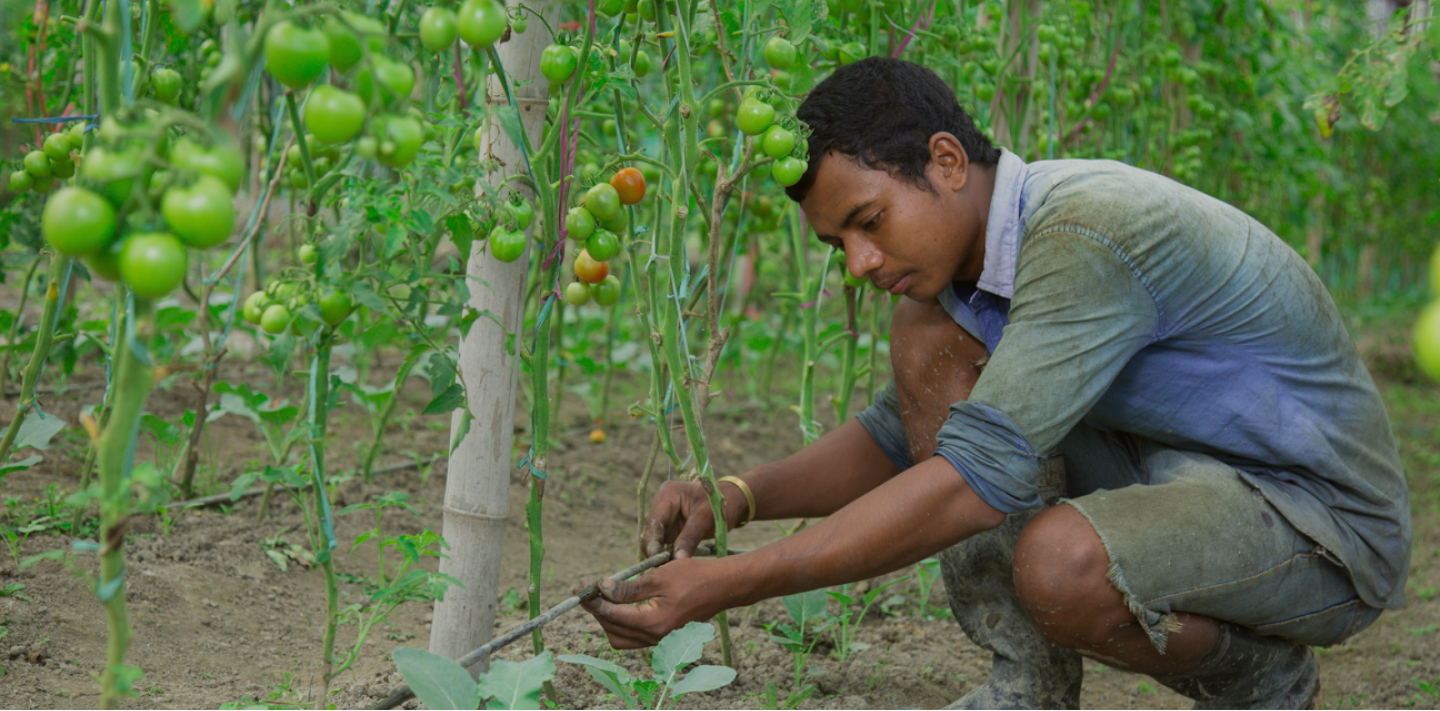
With curricula that span disciplines and geographies, Food EDU closes gaps between scientific knowledge and educational opportunities to promote scientific literacy and interdisciplinary collaboration worldwide.
We aim to empower leaders across the globe to create and lead data-driven solutions to urgent societal challenges to advance human and planetary health.
Through our online courses, fellowship program, and networking hub, we provide educational and professional development opportunities for scientists, policy makers, and food and health system practitioners around the world.
Building Capacity, Bridging Gaps
Food EDU is building the capacity of scientific communities, and bridging gaps between research innovation and educational opportunities worldwide. We take a unique approach to developing curricula, working with world-renowned experts to deliver trusted, cutting-edge science and engaging storytelling to advance human and planetary health.
-
Bridging Gaps
Food EDU courses complement existing university and professional development offerings by filling critical curriculum gaps where advances in research and scientific discovery have outpaced more formal learning opportunities, including among learners in low and middle-income countries.
-
Building Literacy
We translate cutting-edge research and complex scientific data to make it accessible across geographies, disciplines, and professions. Boosting scientific literacy helps with collaboration and speeds the application of innovation on critical food systems challenges.
-
Enabling Interaction
We facilitate the exchange of ideas across disciplines and diverse knowledge systems. We elevate underrepresented voices and showcase community-engaged research initiatives.
-
Creating Partnerships
We work closely with global partners across sectors to co-create curricula that strengthens the capacity and amplifies the impact of cutting-edge research initiatives.
Foodomics & Society Course Track
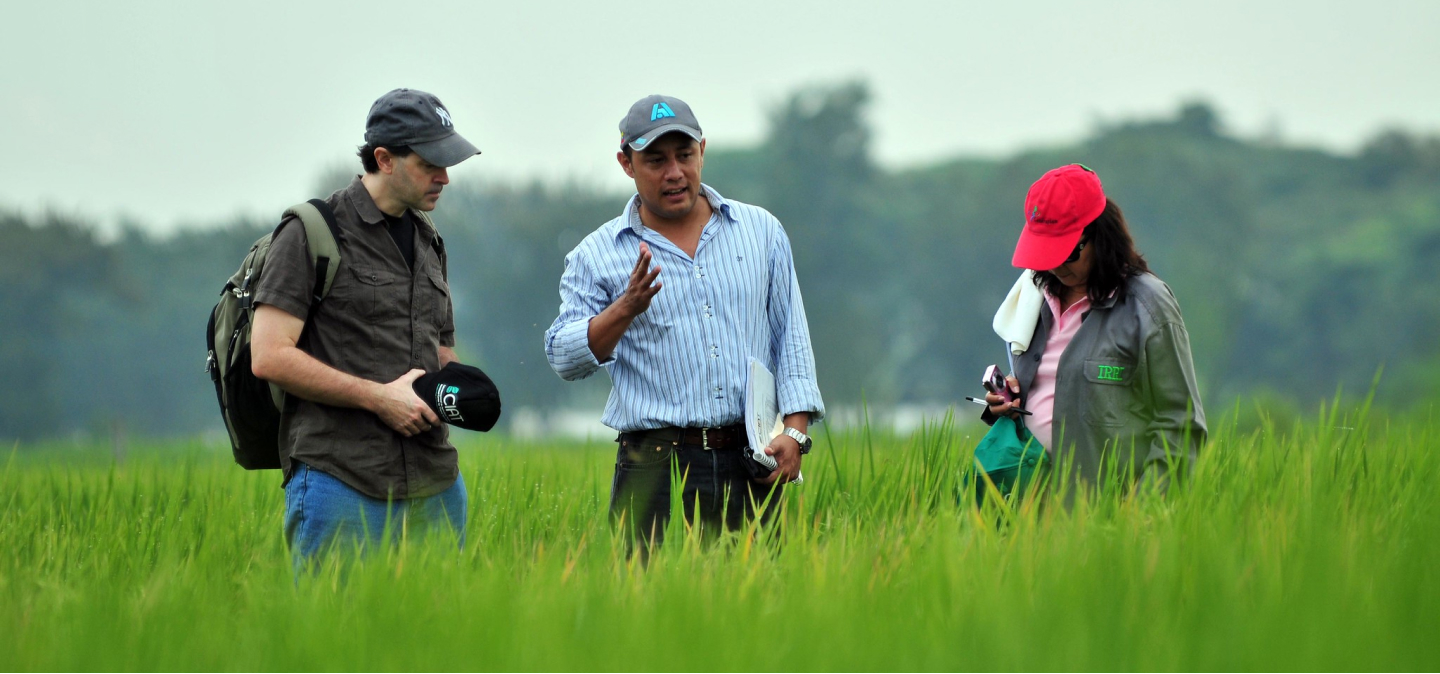
This course explores what is in our food,
how we know, and ways comprehensive
food composition data can be used to
improve food systems, human nutrition,
and the environment. This course
integrates food systems with the science
of foodomics to drive transformative, data-
driven solutions in this exciting new
frontier of research.
Intended for university students,
educators, and early career scientists in
fields such as analytical chemistry, public
health, and nutrition, learners will be
introduced to multi-omics tools being used
to map the biomolecular diversity of food
to benefit human and planetary health.
Access the complete Food EDU portfolio
of courses and trainings on the American
Heart Association’s Professional
Education Hub.
Food EDU Portfolio | Professional
Education Hub
Foodomics and Society Case Study: Mushrooms as Medicine for People and Planet: Connecting Culture, Conservation, and Foodomics
The Periodic Table of Food Initiative Science Trainings
The Periodic Table of Food Initiative
Science Trainings offer a comprehensive
exploration of The PTFI’s research
principles and standardized
methodologies used for generating
comprehensive food composition data.
The first three modules in this series are
designed to be taken in sequence and
prepare researchers and scientists to
participate in The Periodic Table of Food
Initiative and conduct sound research on
food quality. These are followed by
standalone tutorials that provide
overviews of standardized omics
analytical techniques and their potential
research applications.
Trainings are designed for researchers,
scientists, and educators involved with
generating and applying multi-omics food
composition data, especially those using
PTFI’s standardized protocols.
Access the complete Food EDU portfolio
of courses and trainings on the American
Heart Association’s Professional
Education Hub.
Food EDU Portfolio | Professional
Education Hub
Watch this short introduction to the PTFI
Science Trainings Metabolomics Tutorial
to get a preview of what these trainings
have offer:
Good Food Fellows
Through the Good Food Fellows program, Food EDU is building the capacity of emerging scientists and food system leaders around the world, forging uncommon connections through convening, training and community engaged research. The inaugural cohort of fellows are improving food quality, sustainable agricultural practices, health and nutrition in communities across the globe.
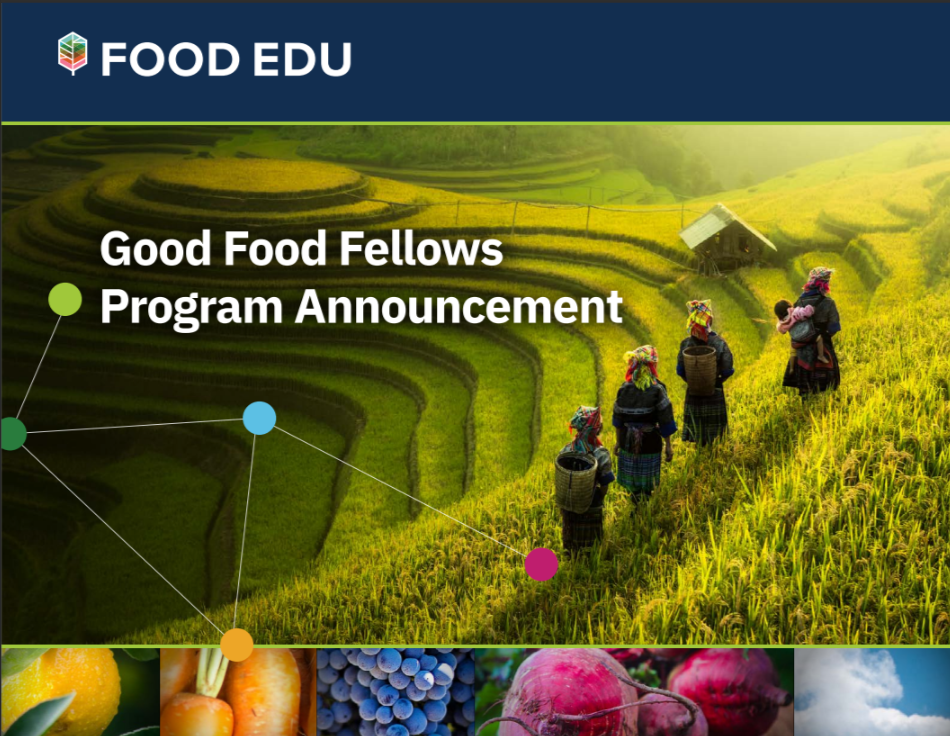
Learn more about their project in this program announcement:
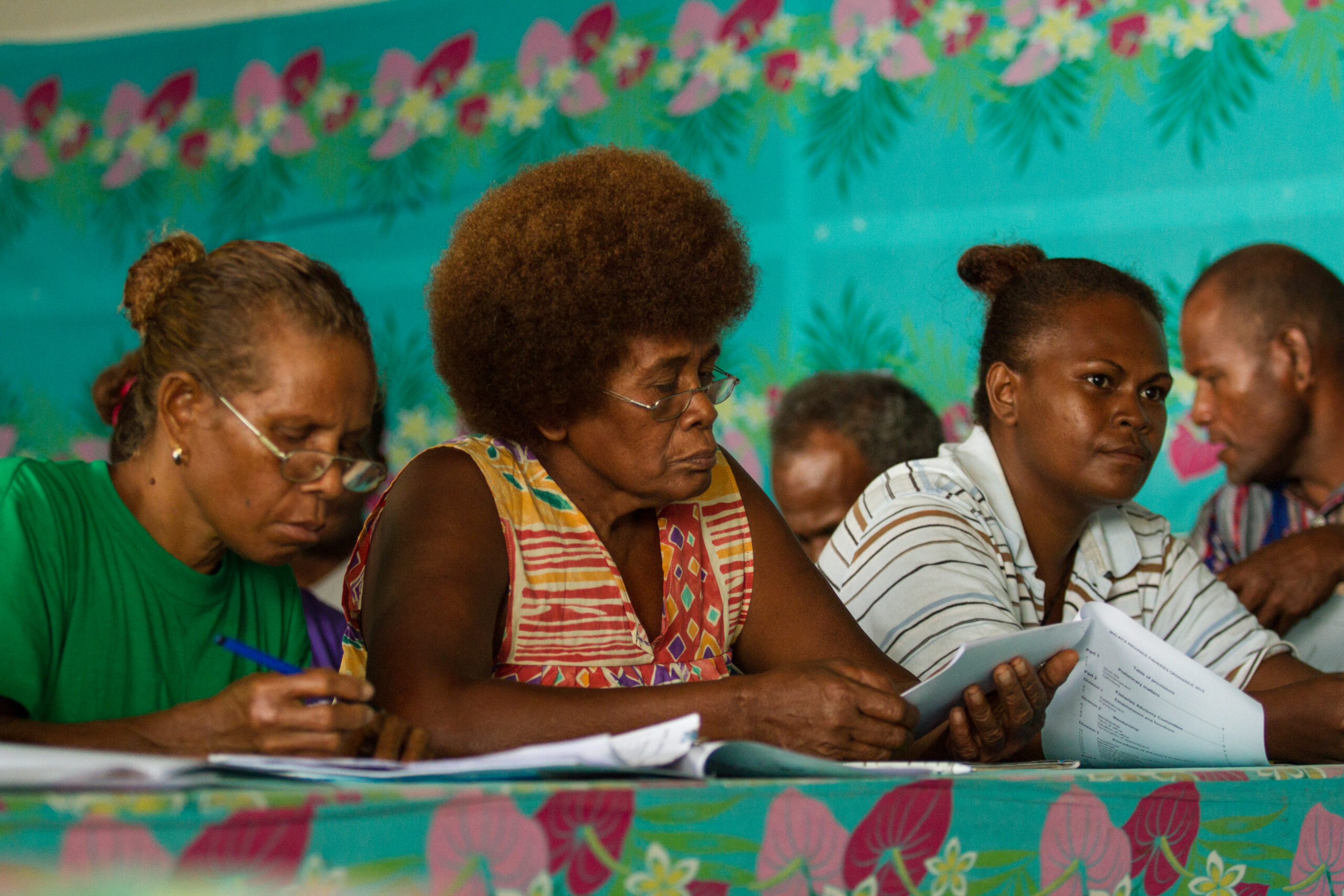
The long-term vision of Food EDU is to prepare a multi-sector workforce with the skills and knowledge to apply the data resulting from advanced, evidence-based science, technology, and innovations.
We anticipate building local scientific and technological infrastructure that will enable emerging scientists in low and middle-income countries to have more local job prospects and create the foundation for positive impact at local and national levels.
Distinct Food EDU course tracks will provide educational offerings designed to reach five key types of learners:
- Graduate students and early career specialists
- Nutrition and healthcare practitioners
- Agricultural producers and service providers
- Youth educators
- Policymakers
Organizational Structure
Food EDU was seeded as a PTFI capacity strengthening effort to advance human and planetary health using food composition tools and data. It has grown into a platform to integrate cutting-edge research and data science in food, agriculture, health, and nutrition for application and impact.
Food EDU is facilitated by the American Heart Association and the Alliance of Bioversity and CIAT as co-secretariats of the Periodic Table of Food Initiative.

Food EDU Leadership

Selena Ahmed
Global Director, PTFI; Dean, Food EDU American Heart Association
Selena Ahmed is the Global Director of the Periodic Table of Food Initiative (PTFI) and the Dean of Food EDU based at the American Heart Association. She has carried out food systems research and outreach for the past 20 years with the goals of informing solutions to enhance human and planetary health. Her science for impact efforts have focused on: agrobiodiversity and traditional knowledge for conservation and nutrition; climate effects on food quality for climate resilience; co-creating food environment frameworks and measurements for food security; sustainable diet interventions for mitigating diet-related chronic disease and; community-engaged research with Indigenous communities to celebrate diverse ways of knowing. Selena joined the PTFI from Montana State University where she was an Associate Professor of Sustainable Food Systems and Director of the Translational Biomarkers Core lab facility. She brings transdisciplinary training including a postdoctoral fellowship in chemical ecology and human clinical nutrition, PhD in biology / plant sciences, MSc in ethnobotany / cultural anthropology, and BA in economics. Selena lives with her family in Bozeman, Montana.
American Heart Association
Kevin Cody, PhD
Senior Program Manager
American Heart Association
Kevin Cody is Senior Program Manager for Food EDU and Good Food Fellows at the American Heart Association. As an educator, Kevin’s work is inspired by commitments to improve farmer livelihoods and food system sustainability through innovative, interdisciplinary approaches to teaching and learning. In addition to teaching courses for undergraduate and graduate students on topics ranging from organic horticulture to sustainable development, his work with non-profit organizations includes promoting supply chain integration in local food systems and developing pathways to generate and sustain beginning farmers.
Prior to his role with the American Heart Association, Kevin served as the Hoch Cunningham Professor of the Practice in Food Systems at Tufts University, teaching courses on agroecology and food systems that integrated his work training new and beginning farmers with New Entry Sustainable Farming Project. Previously, as a faculty member in Environmental and Sustainability Studies at the University of Northern Colorado, he developed experiential and community-engaged courses on food systems and managed the university’s student farm program.
Kevin received his PhD in Sociology from the University of California, Santa Cruz, where he examined the internationalization of alternative food networks and barriers to the long-term viability of beginning farmers.

American Heart Association
Jackie Bertoldo, DrPH, MPH, RDN
Senior Program Lead
American Heart Association
Jackie Bertoldo is Senior Product/Curriculum Manager for Food EDU and Good Food Fellows at the American Heart Association. She brings over a decade of experience advancing experiential food systems education and innovative nutrition and sustainability programs in higher education, healthcare, and business. She is a leader in translating food and nutrition research into practical strategies for guiding institutional policy and practice, championing community-based strategies that address public health imperatives such as sugar sweetened beverage consumption, food insecurity, food waste, and sustainable food procurement.
Alliance of Bioversity International and CIAT
Gina Kennedy
Principal Scientist
Alliance of Bioversity International and CIAT
Dr. Gina Kennedy is Principal Scientist at the Alliance of Bioversity and CIAT. Gina co-leads implementing an engagement strategy for positioning PTFI as an enabling platform for innovation and impact within the Alliance and larger CGIAR. Gina is passionate about food biodiversity and the role that food biodiversity can play in creating healthier food systems that nurture both people and the planet. She has a deep understanding of food-based indicators to measure diet quality and diet diversity and has worked on projects connecting diet diversity, biodiversity and food systems. Prior to her current position, Gina has worked for the Global Alliance for Improved Nutrition (GAIN), Bioversity International, the Food and Agriculture Organization of the United Nations, the Public Health Service of Guinea and the Tungaru Central Hospital in Kiribati. During her career, she has lived for extended periods in Kiribati, Guinea and Italy and is now based in the United States. Her areas of interest include diet quality, food biodiversity, diet diversity and food systems. She holds a Bachelor of Science in Nursing from Georgetown University, Washington DC, a Master of Public Health from University of Alabama, Birmingham and a PhD in Public Health Nutrition from Wageningen University, Netherlands.
Alliance of Bioversity International and CIAT
Maya Rajasekharan
Director of Strategy Integration and Engagement
Alliance of Bioversity International and CIAT
Maya joins the PTFI from the Alliance of Bioversity International and the International Center for Tropical Agriculture (CIAT) – a CGIAR Center, where she has an integrative leadership role developing and implementing center strategy and programs. She coordinated a global portfolio of programs and cross–functional units across Africa, Asia and Latin America, and led co-creation of research strategies. With more than 15 years of experience living and working internationally, Maya brings a global perspective of food systems and expertise stewarding partnerships with a wide range of stakeholders. More recently, she served as the co-steward for the development One CGIAR 2030 strategy for research and innovation. Earlier, Maya held assignments at the International Water Management Institute (IWMI), Food and Agriculture Organization (FAO), and the Asoka Trust for Research in Ecology and Environment (ATREE). Maya has a PhD in Marine Ecology from University College Dublin, Ireland.
Curriculum Advisory Committee
Alejandro Cifuentes, Ph.D.
Full Research Professor Laboratory of Foodomics, Institute of Food Science Research (CIAL) Spanish National Research Council (CSIC)
Alejandro Cifuentes is a Full Research Professor at the National Research Council of Spain (CSIC) in Madrid, Head of the Laboratory of Foodomics and Director of the Metabolomics Platform (International Excellence Campus CSIC + University Autonoma of Madrid). He has been Founding Director of the Institute of Food Science Research from CSIC. Alejandro’s activity includes advanced analytical methods development for Foodomics (including transcriptomics, proteomics, lipidomics and metabolomics), food quality and safety, as well as isolation and characterization of natural bioactive compounds and their effect on human health. He is member of the Editorial Board of 17 international journals, Specialty Chief Editor of Frontiers in Nutrition (Nutrition and Food Science Technology), Editor of TrAC-Trends in Analytical Chemistry, Editor of Electrophoresis and Editor-in-Chief of Exploration of Foods and Foodomics. He has published more than 300 SCI papers (plus 30 books/book chapters and 9 patents) that have received more than 28000 citations. Alejandro has given more than 200 invited lectures in different meetings in Europe, Asia, Africa, America and Oceania. He has defined for the first time in a SCI journal the new discipline of Foodomics. He has been included in the Top 1% World Scientists by the Stanford University Ranking.

University of California, Davis
Bruce German, Ph.D.
Professor, Food Science & Technology
University of California, Davis
“As a scientist, I am alerted to the growing challenges to food, from health and safety to preference and sustainability, all in the context of a changing world. This program provides a unique environment to empower students with the knowledge they need to make wise decisions about where innovation will be most needed and solutions most effective. Big challenges need bold solutions.”
Dr. Bruce German is a professor and chemist of food science and technology at the University of California, Davis and the director for the university’s Foods for Health Institute. Dr. German’s work includes researching the role of fats and other components in the diet and developing ways to assess health and metabolism in response to foods. He uses milk as the model for the genetic blueprint for foods that support health, as milk evolves for the purpose of nourishing growing mammals. This evolutionary logic forms the basis of research for discovering physical, functional, and nutritional properties of milk components and applying these properties to foods.
Dr. German has published articles in more than 400 peer-reviewed publications, including Food in an Evolutionary Context and Nutrigenomics and Personalized Diets: What Will They Mean for Food? He has received honors as a Dean’s Distinguished Lecturer and a Distinguished Professor, and he was recognized by the Institute for Scientific Information as a Most Highly Cited Scientist.
Timothy Griffin, Ph.D.
Associate Professor Dean of Educational Affairs – ad interim Division Chair – Agriculture Food and Environment Friedman School of Nutrition Science and Policy, Tufts University
Timothy Griffin is Teri and Barry Volpert Family Professor in Nutrition, Agriculture, and Sustainable Food Systems at the Friedman School of Nutrition Science and Policy, Tufts University. At the Friedman School, he is currently the Dean of Educational Affairs, served as Division Chair for the School’s Agriculture, Food and the Environment program from 2009 to 2024, and teaches classes on U.S. agriculture, agricultural science and policy, and the linkage between food system domains. In 2018, he was named as the inaugural recipient of a professorship in Nutrition, Agriculture, and Sustainable Food Systems.
His current research focuses on assessment of sustainability across environmental, social and economic metrics, regional food systems, and climate change impacts on agriculture. He supervises doctoral students conducting research on topics ranging from precision agriculture to food access to water rights. He served as an Advisor to the 2015 Dietary Guidelines Advisory Committee, focusing on Sustainability, and also as a member of the National Academy of Sciences study Genetically Engineered Crops: Experiences and Prospects. He has given many scientific and public presentations on agriculture and the food system, and published more than 100 peer-reviewed scientific articles. Prior to coming to the Friedman School, he served as Lead Scientist/Agronomist at USDA-Agricultural Research Service (2000-2008) and Extension Specialist in Sustainable Agriculture at the University of Maine (1992-2000), the first such position in the U.S.
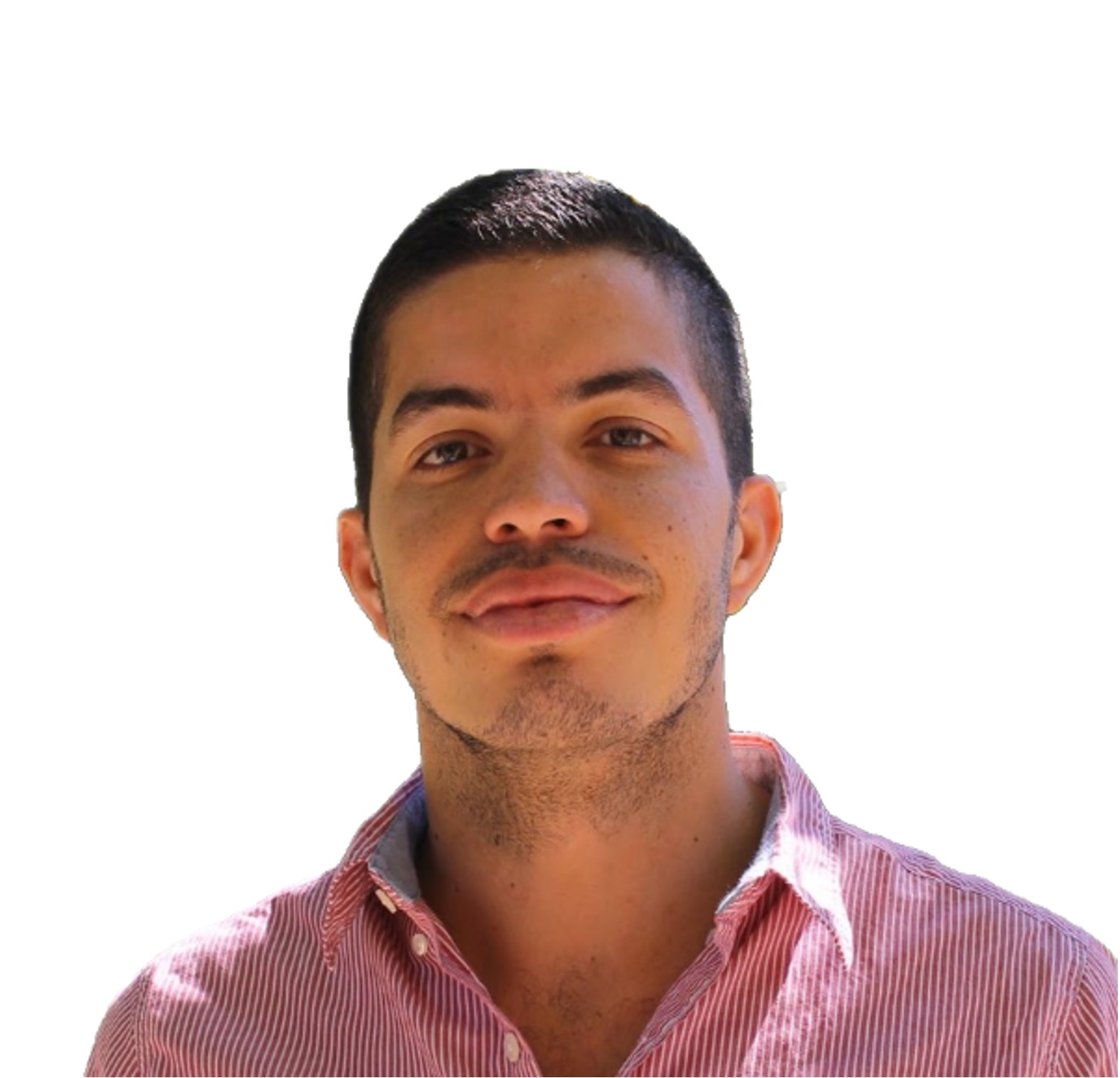
Carlos A. Faerron Guzmán, M.D., M.Sc.
Associate Professor at the University of Maryland Baltimore Graduate School, Director of the InterAmerican Center for Global Health in Costa Rica, and Senior Advisor of the Planetary Health Alliance at the Johns Hopkins University
Dr. Carlos A. Faerron Guzmán is a global health professional passionate about education and committed to health equity, addressing complexity, and emphasizing values in shaping a better world. As an educator, he fosters collaborative learning and knowledge exchange. He serves as an Associate Professor at the University of Maryland Baltimore Graduate School, Director of the InterAmerican Center for Global Health in Costa Rica, and Senior Advisor of the Planetary Health Alliance at the Johns Hopkins University. Dr. Faerron also holds adjunct positions at Northwestern University and Universitat Oberta de Catalunya.
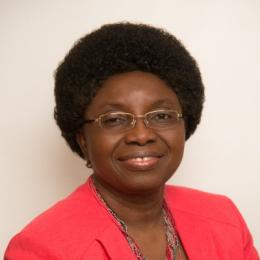
University of Ghana, Ghana
Anna Lartey, Ph.D.
Professor of Nutrition
University of Ghana, Ghana
Expertise: Maternal and child nutrition, agriculture, policy
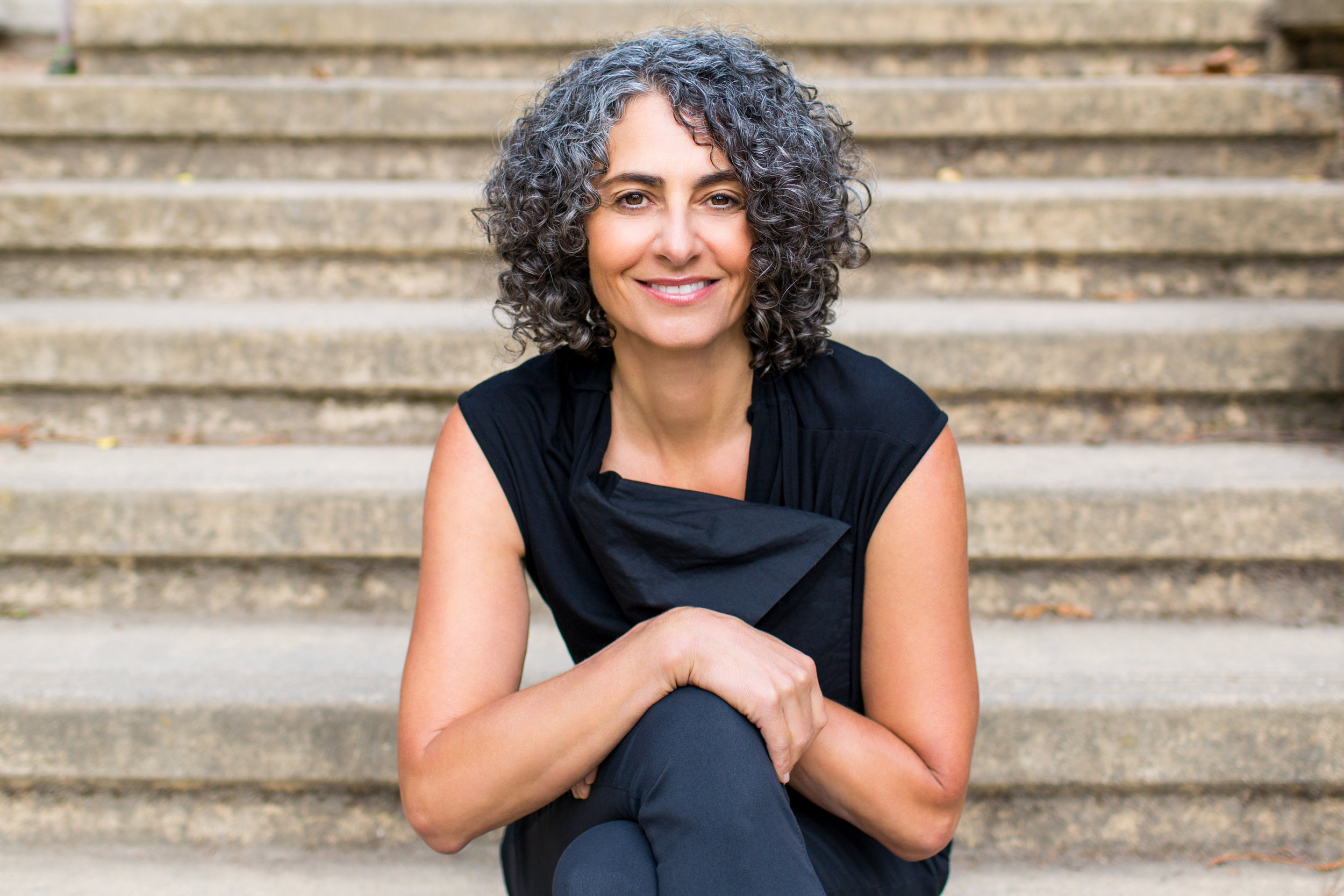
Daphne Miller, M.D.
Family Physician, Clinical Professor at the University of California San Francisco, and Research Scientist at the University of California Berkeley School of Public Health
In a typical work week, I spend as much time with farmers, soil experts, and community food workers as I spend with my medical colleagues. I am a practicing family physician, science writer, Clinical Professor at the University of California San Francisco, and Research Scientist at the University of California Berkeley School of Public Health. I started the Health from the Soil Up Initiative at UC Berkeley Center for Occupational and Environmental Health to engage other health professionals in transforming our food system from the soil up. I am also Curriculum Director for Community and Integrative Medicine in the Lifelong Family Medicine Residency Program in Richmond, CA, where I partner with Urban Tilth, a local farm, to teach doctors-in-training about the the connections among food, soil, community, and health.
I am a regular health and science contributor to the Washington Post and you can read some of my articles here. I have two books about food, farming, and health: The Jungle Effect, The Science and Wisdom of Traditional Diets (HarperCollins 2008) and Farmacology, Total Health from the Soil Up (HarperCollins 2013). Farmacology appears in four languages and was the basis for the award-winning documentary In Search of Balance.
I have consulted for and presented to organizations around the globe including the Food and Agriculture Organization of the United Nations (FAO), the Indigenous Terra Madre and Slow Food International. I was one of the pioneers in the “Healthy Parks, Healthy People” initiative which helped build linkages between our medical system and our park system. My 2009 Washington Post article “Take a Hike and Call Me in the Morning” is widely credited with introducing “park prescriptions” into medical practice.
I am a graduate of Brown University and Harvard Medical School and completed my family medicine residency and an NIH-funded primary care research fellowship at UCSF. I serve on the Advisory Board of the Re:wild Your Campus, the Edible Schoolyard Foundation, the UC Berkeley Center for Parks, People and Biodiversity, and Berkeley Open Source Food, and am a past Fellow at the Berkeley Food Institute and the University of Arizona Center for Integrative Medicine.
I live and garden in Berkeley, California.
Alliance of Bioversity International and CIAT
Joe Tohme, Ph.D.
Director, Crops for Nutrition and Health
Alliance of Bioversity International and CIAT
Joe brings 30 years of research experience integrating genomics with breeding, in addition to extensive management experience, fund raising and overseeing large networks. As director of Crops for Nutrition and Health, he coordinates the genetic resources, biotechnology, bean, cassava, forages, and rice programs. Joe’s research involves integrating genomics with breeding, coordinating genome editing, and conduct gene discovery for abiotic and nutritional traits. He assisted the Colombian Biodiversity Humboldt Institute in setting up its molecular lab at CIAT. Joe was the CIAT focal point working with Howdy Bouis from IFPRI to set up the HarvestPlus biofortification program. He coordinated the biotechnology activities of HarvestPlus till 2019 and is currently a member of the HarvestPlus Program Advisory Committee. He is the co-founder of the Global Cassava Partnership (GCP-21). With Daniel Debouck, he initiated the establishment of Future Seeds, an innovation hub for conservation, digital genebank, and digital engagement and training. Joe is coordinating Future Seeds construction with completion by mid-2021. Joe holds a Ph.D. in Crop Sciences from Michigan State University and is a Fellow of the American Association for the Advancement of Science (AAAS).
Dr. Natalia Vázquez Manjarrez
Staff Researcher Periodic Table of Food Initiative, Center of Excellence PI, Metabolic Diseases Research Unit, National Institute of Medical Science and Nutrition, Mexico
Natalia Vazquez Manjarrez, is a researcher in the realm of Nutritional and Food Sciences. She earned her Master of Science degree from UNAM and subsequently pursued her Ph.D. and postdoctoral studies at the University of Copenhagen, where she specialized in nutritional metabolomics. Presently, she spearheads the Metabolomics Unit within the Department of Nutrition Physiology at INCMNSZ. In this role, she is responsible for managing the targeted metabolomics platform and advancing analytical methodologies. Her research endeavors primarily focus on elucidating the nutritional composition of foods and unveiling dietary biomarkers. These efforts aim to bridge the intricate relationship between diet and health.